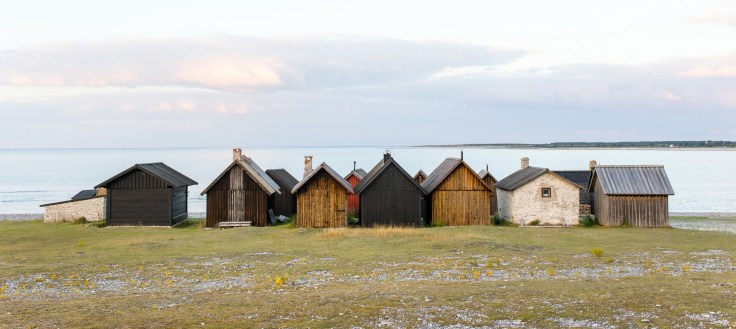
Are you thinking about building your own custom shed? Good choice!

What’s a better way to ensure that your investment will pay off than with great quality, lasting memories, and a cheering addition to your garden. With only a little bit of preparation, you can be sure that it will be less expensive and much better product than buying a shed from a big box store.
As a building inspector and a designer, I spent years on construction sites, analyzing drawings and building codes. I’ve seen what works and what is not necessarily the best practice. Most of all, I enjoy building and testing my own structures and experimenting with different solutions.
Here are seven mistakes that should be avoided to make sure that your next project will be enjoyable and so your shed will last for years.
1. UNDER-SIZING or OVER-SIZING STRUCTURAL ELEMENTS
So, you are getting ready to start designing the structure.
It can’t be too complicated. Couple boards put together- Done!
Going with your gut feeling is usually not the best choice in that part of planning, though.
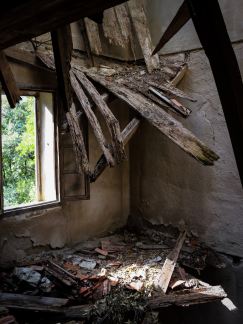
Trying to save some money will tend to weaken the structure. Even if it looks stable at first,
it may not stand the test of contact with the outdoors. The foundation, the lintels, and the roof rafters, all need to be large enough and dense enough to carry all the loads they could encounter. Wind, rain, snow accumulation need to be taken into account.
But take care not to go to the other extreme. Just in case, we will oversize our beams, put in too many rafters, and make our foundation way too wide. Although, in most cases it won’t hurt, it is unnecessary and can significantly raise the costs of our project.
Using the guidance of your local building code will be the way to go.
The Ontario Building Code (the official and simplified version) will provide you with tables for every single element. You can size it based on the planned span and supported loads.
If you don’t feel comfortable doing this work yourself (I don’t blame you), contact a local designer or just get some simple premade plans to solve that problem.
2. NO FOUNDATION or FOUNDATION too shallow
“You can’t build a great building on a weak foundation”
How does it make sense that we use this quote in the context of life choices,but we forget the literal meaning once get caught up in the excitement of building.
The building foundation plays an essential role in making the structure last more than one season. Depending on the location:
-
- It protects your building from shifting or collapsing due to frost
- It prevents your building from flying away in a windstorm
- It is your best bet to make sure that this beautiful brick, or other masonry work won’t crack after the first winter
All the possible issues don’t sound like something that you would like to experience, right after you invested money and effort to construct your beautiful shed? Right?
So…
 Make sure to check the local frost line and set the foundation below it (1.2m in Ontario).
- Use connectors to prevent uplift.
- Make sure that the subgrade looks solid and is free of any debris.
Setting your foundation is the time when shortcuts don’t pay off!
3. USING NOT DURABLE MATERIALS
This plastic, maintenance free shed looks so appealing. You just put it in place, it even sort of looks like wood from far away…
This lightweight metal structure would be so easy to build. Only couple screws and you are done…
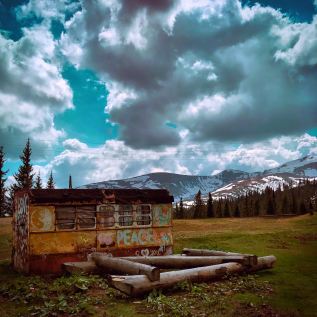
And it all would be great if it could last… From the summer sun, the plastic will change colour. It will become brittle in no time. The wind, the snow load, or even heavy rain will start bending your thin metal supports. After a couple seasons of the contact with the outdoors and the shed will be ready for a trip to the landfill.
This doesn’t sound very appealing now. Does it?
Before you buy your shed, make sure that:
- The shed is a quality product.
- It’s designed to withstand the UV radiation
- The structure would meet your minimum local building code guidelines
- You can find some information about the maximum loads the building can support and check if they apply for your location
4. IGNORING PERMITS

When you are building a house, obtaining permits or researching the requirements is usually an apparent part of the process. Often, we would completely ignore it when building other structures, though. Who needs this headache?
Installing a shed (without a plumbing or sewage system) which is less than 108 square feet in the area (including floor, walls and roof covered area), does not require a building permit in most parts of Ontario.
Your area may have similar rules.
However, there are other things that may have to be taken into account.
Often, local by-laws will:
- limit the height of your building,
- specify minimum distance from property lines
- describe materials and finishes allowed to be used, etc…
A quick phone call to your local building department or a visit to their website may save you a lot of trouble. The last thing you want is to find out that the shed you were working on for the past couple weeks needs to be taken down and relocated.
Something most people don’t realize is that local building department isn’t a headache, but a great resource, especially on small projects. It’s almost free to get a skilled second opinion.
5. FORGETTING THE DETAILS
To get the project done we may start to rush, and when we rush we miss things.
The little details do not seem to make a difference when we build, but with time will become the weak point of our structure. Paying attention to details at the construction stage will pay off.
I put together a short checklist of common details that tend to be missed:
- Seal the cut ends of pressure treated wood and wooden elevation boards
- Keep wood elements minimum 6” off the ground, and ensure they’re protected in contact with concrete (pressure treated, plastic separator)
- Don’t skip the wood connectors specified in your project (joist hangers, hurricane clips, etc…)
- Don’t miss screws or bolts (follow the design specification)
- Take care of yourself! Use protective equipment. Don’t forget your safety glasses and gloves.
6. UNUTILIZED INTERIOR
So, you have your beautiful shed built. You planned to make it a relaxing place to get you closer to nature, spend more time in your garden…but it quickly just became your next dumping ground.
We all seem to always be in need for extra storage space.
Why not try both? With a couple clever solutions and a bit of preplanning at the design stage, you can have a beautiful garden oasis and an extra storage space for all the things that couldn’t find their home anywhere else.
You can find tons of inspiration online. These are some of my favorites:
- One: Couple of very simple solutions, that can look pretty and be very functional
- Two: Almost infinite amount of very practical garage storage ideas, that could be easily used for your shed.
7. IGNORING ESTHETICS
Just a shed. Who cares?
If the shed is out in your garden, you may not realize it, but, you will most likely spend more time looking at it than at your own house. It will bring you joy — or dread — every time you look at it.
Make sure that the design you choose is practical, but also fits your style.
- It could much the architecture of your house.
- It could be a statement piece adding value to your garden.
- It could even put a smile at your face any time you look at it.
So don’t ignore the design. Make it beautiful.
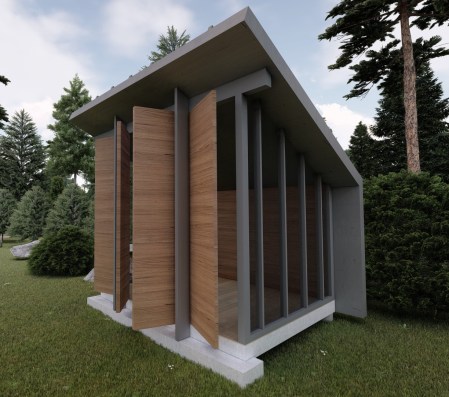
If you are looking for a modern design, with clever solutions, that would reduce the cost of the building, but keep the great look and solid structure in mind check out
https://www.sheshedescape.com/
Now you are all set to start! Make sure to let me know how it goes. Good luck!
 Family in the making
Leave a comment